Automotive Sintered Parts — Engine, Transmission & Powertrain
Automotive sintered parts are metal components for vehicles made by compacting alloyed metal powder in a die and sintering it below the melting point — a process that suits high-volume engine, transmission, braking and seating parts at lower cost per piece than machining, with dimensional stability and self-lubricating options. Density and strength values cited here are industry-typical, consistent with our process guide (MPIF-aligned).
We manufacture automotive sintered components inside our own IATF 16949-certified plant — powder blending, pressing, sintering, CNC finishing and Zeiss inspection in one chain, with MES batch traceability for every part number.
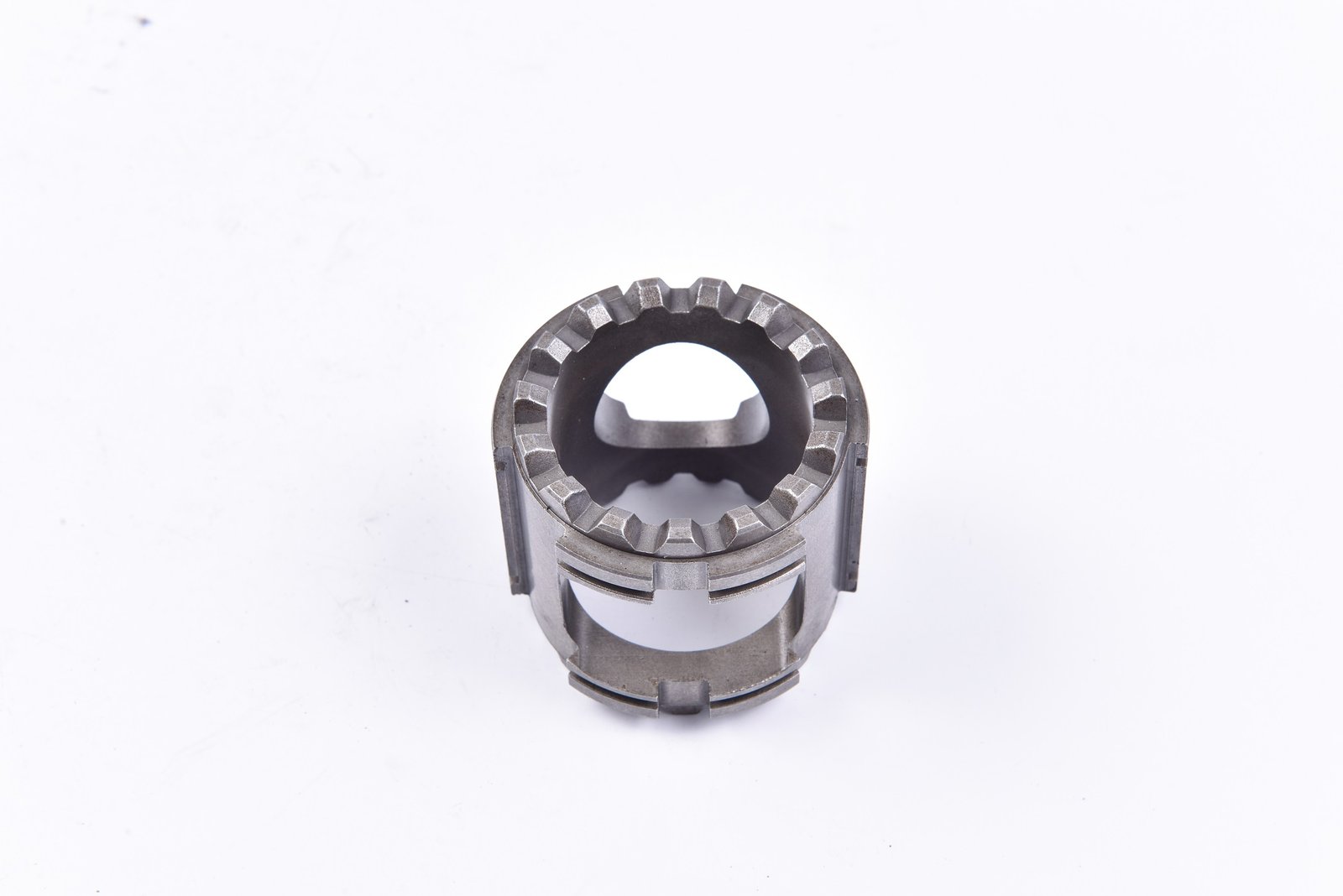
5 automotive sintered part families, 20+ part types in one place
The automotive sintered component ranges we quote against, grouped by vehicle system. Every family below is produced from powder in our own plant — send the drawing and we confirm material, density and price within 48 hours.
Sintered Engine Parts
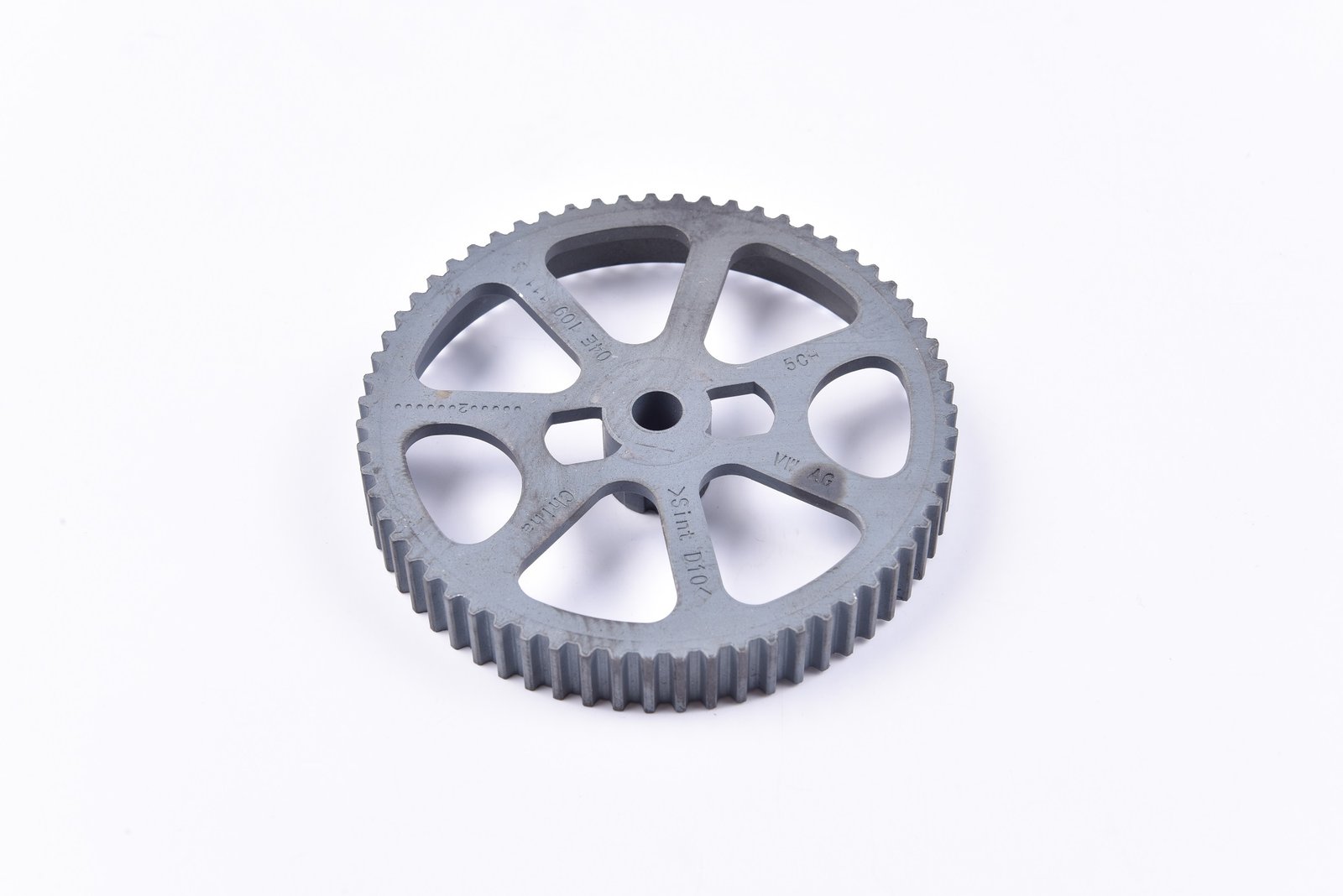
Valvetrain, timing and lubrication components sintered to automotive density — from sintered camshaft pulleys and VVT components to sintered engine valve seats, valve guides, oil pump gears and water pump impellers.
- Sintered Engine Parts
- Sintered Camshaft Pulley
- Sintered Oil Pump Gear (Automotive)
- Sintered Water Pump Impeller
- Sintered VVT Component
- Sintered Engine Valve Seat
- Sintered Engine Valve Guide
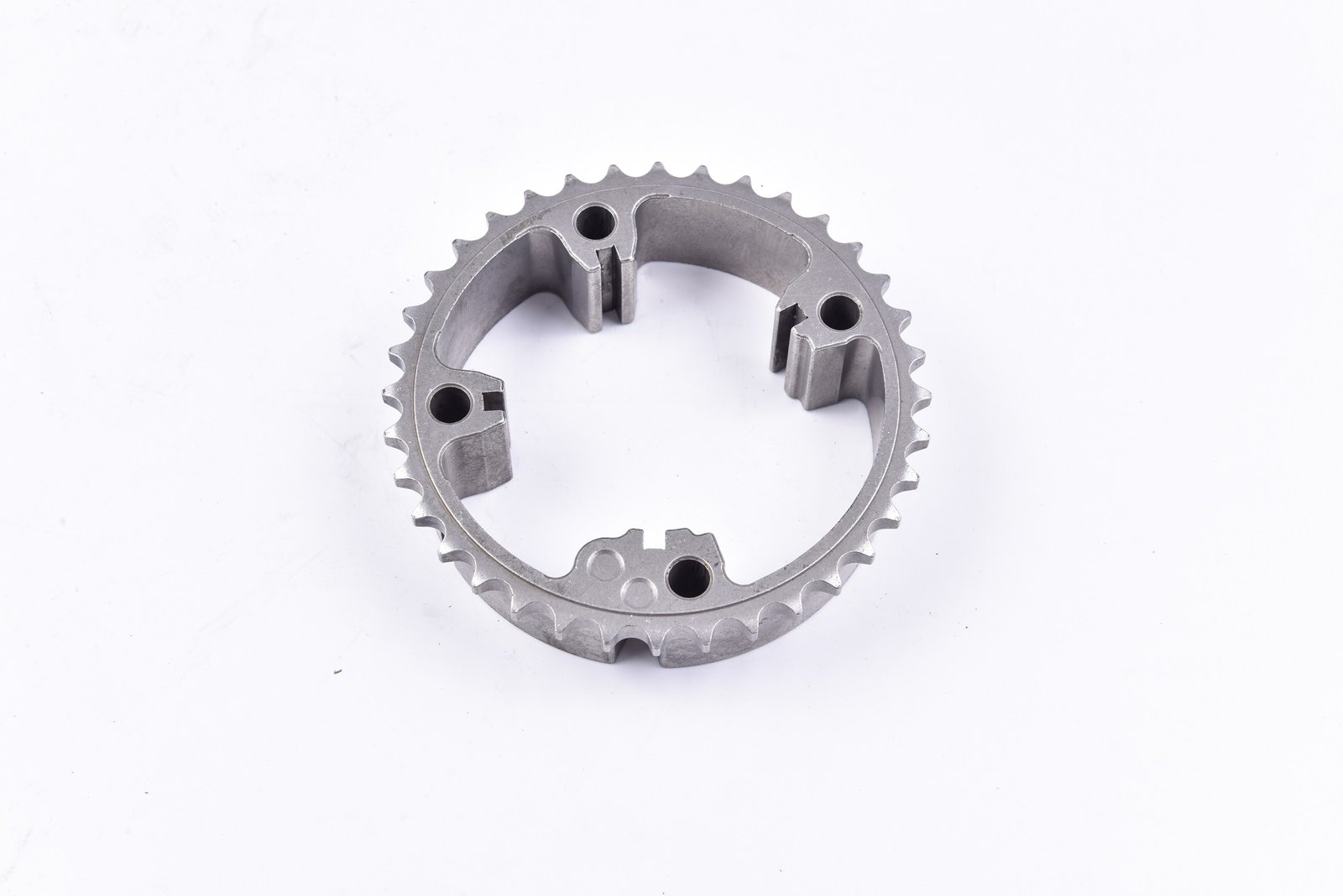
Sintered Transmission & Gearbox Components
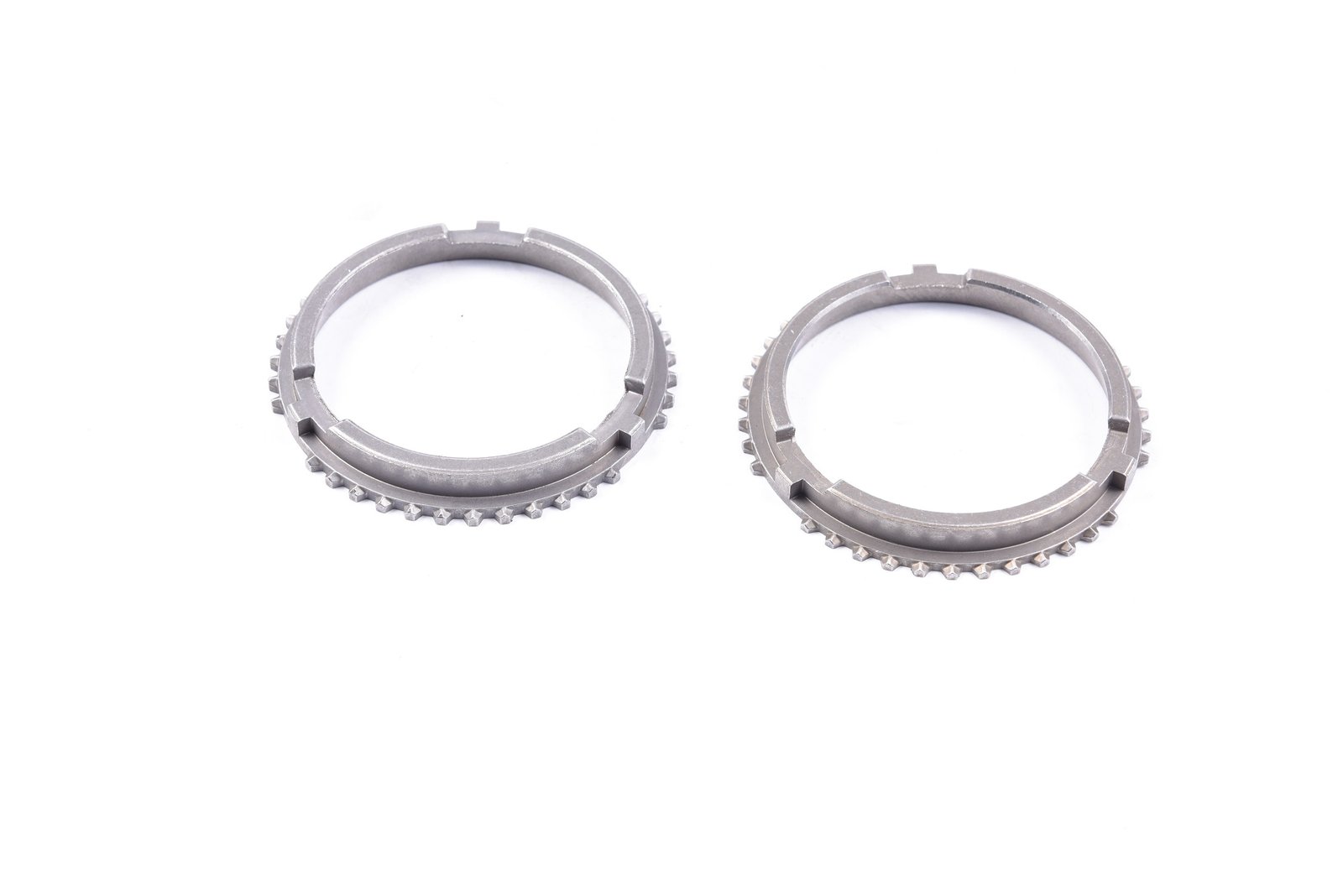
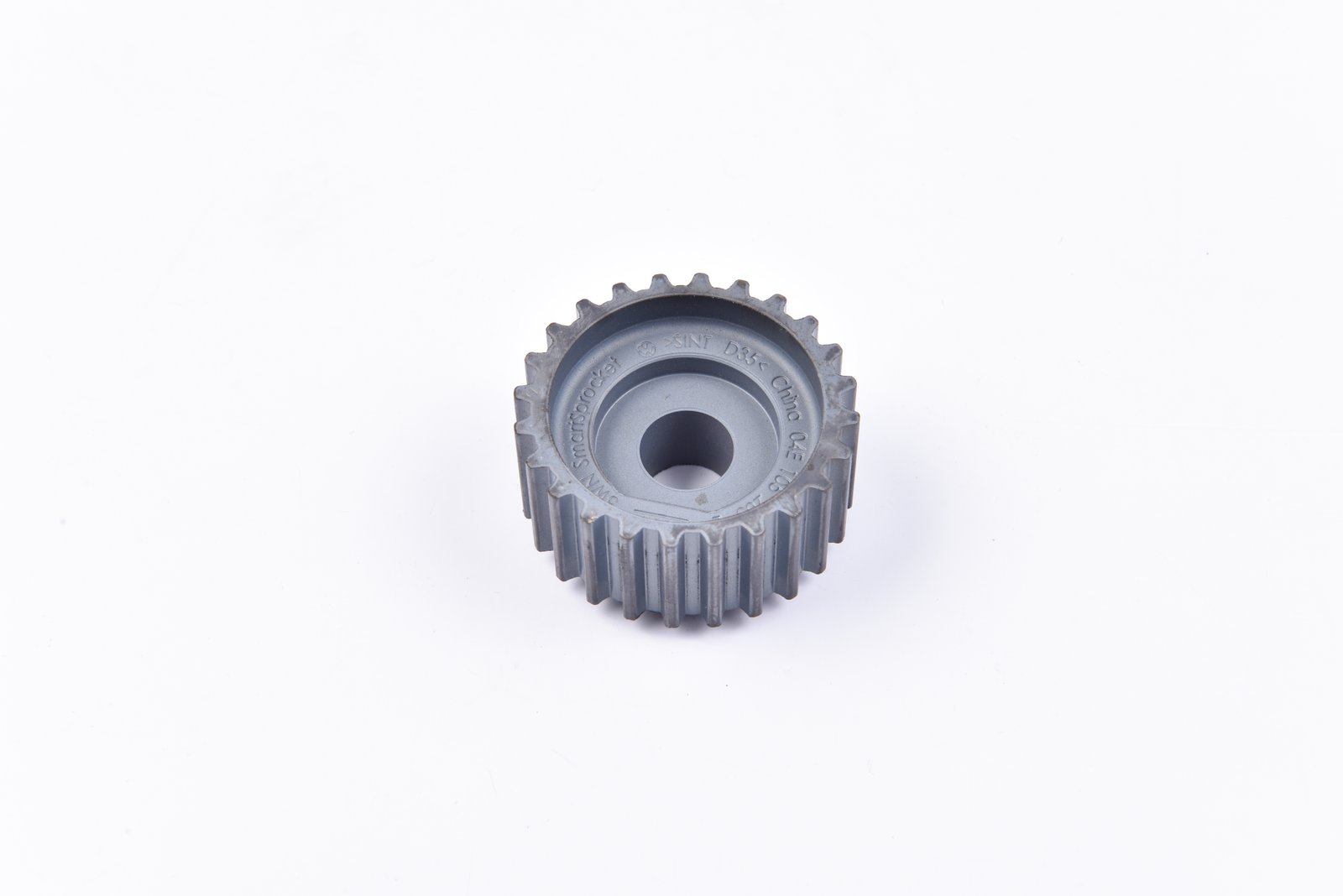
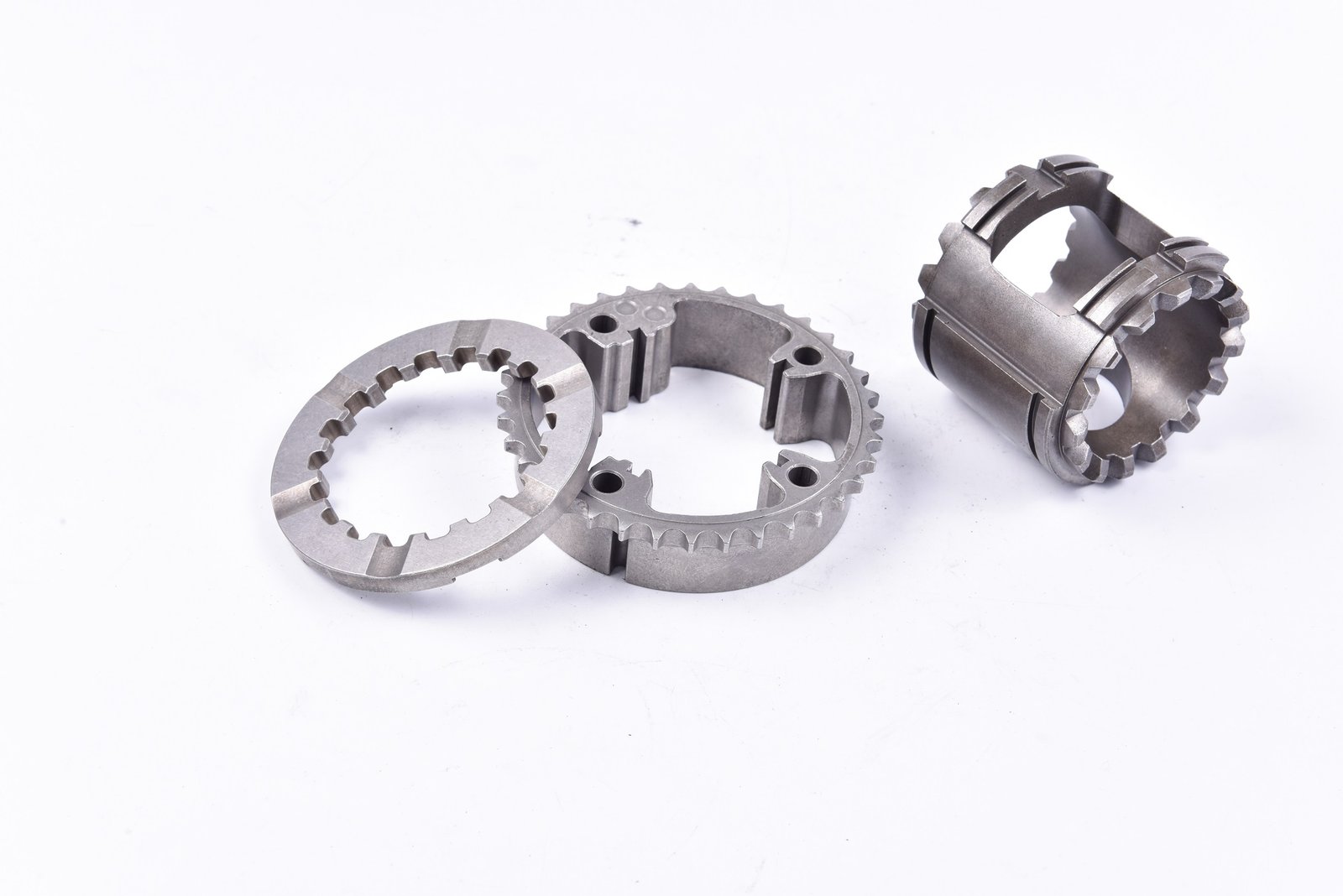
Gearbox and drive-line parts from powder compaction: sintered synchronizer components, sintered gearbox parts, sintered crankshaft sprockets and sintered differential components that keep shifting smooth and quiet.
- Sintered Transmission Parts
- Sintered Gearbox Parts
- Sintered Synchronizer Components
- Sintered Crankshaft Sprocket
- Sintered Powertrain Components
- Sintered Differential Components
- Sintered Clutch Components
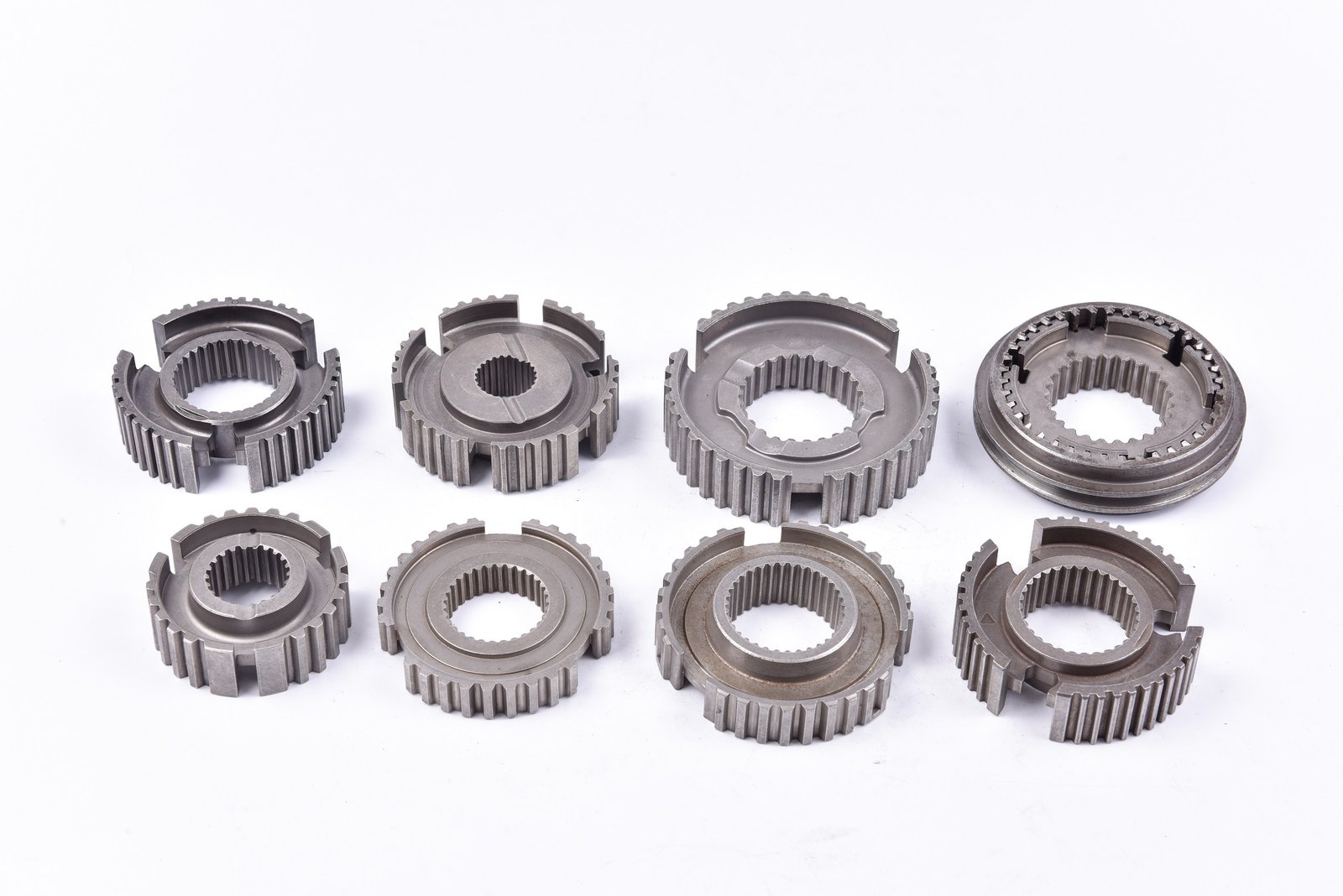
Sintered Braking & Chassis Components
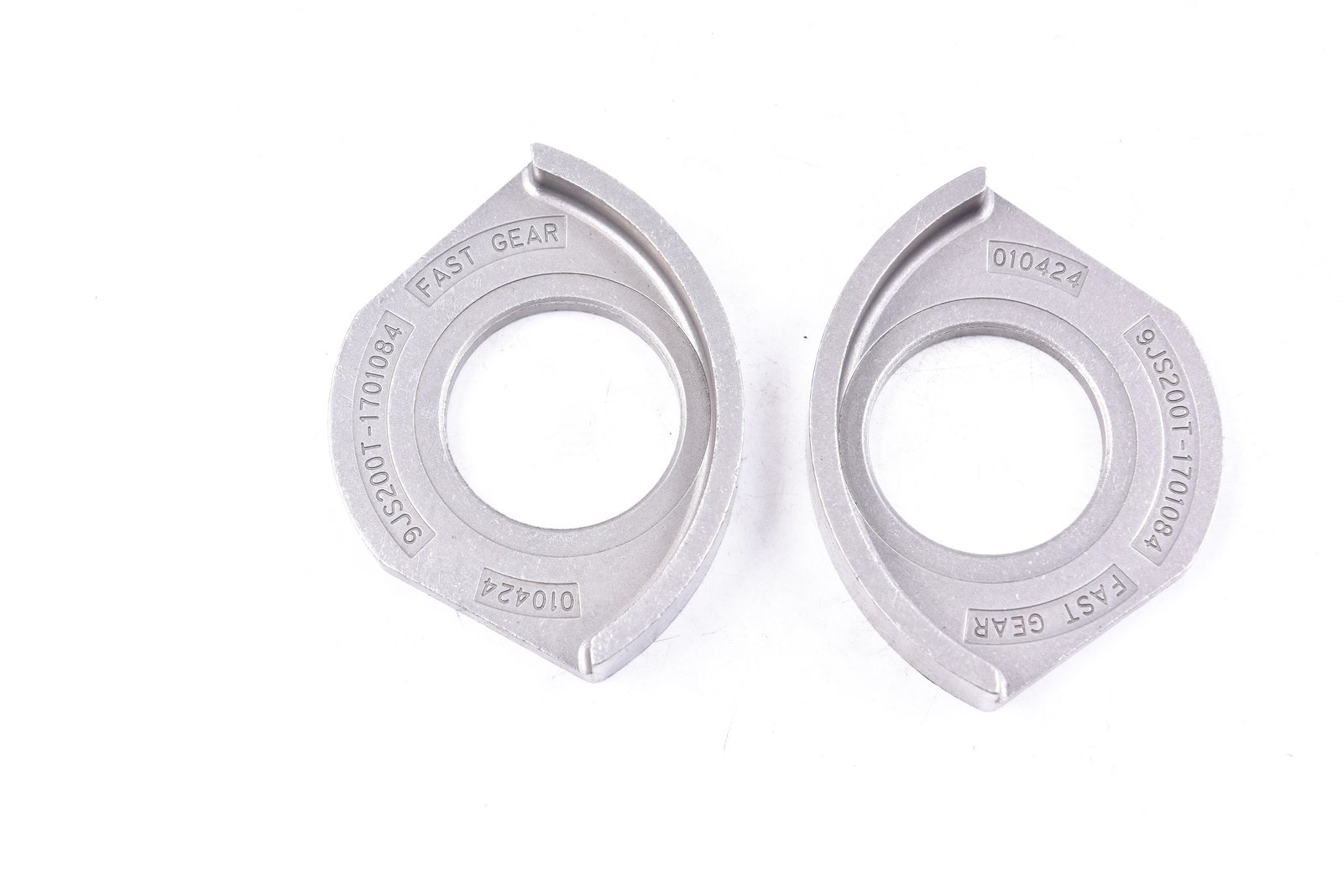
Safety-critical sintered parts that must never fail: sintered ABS sensor rings with consistent magnetic response, sintered shock absorber parts, sintered steering column components and sintered EPS components with full batch traceability.
- Sintered ABS Sensor Ring
- Sintered Shock Absorber Part
- Sintered Steering Column Component
- Sintered EPS Component
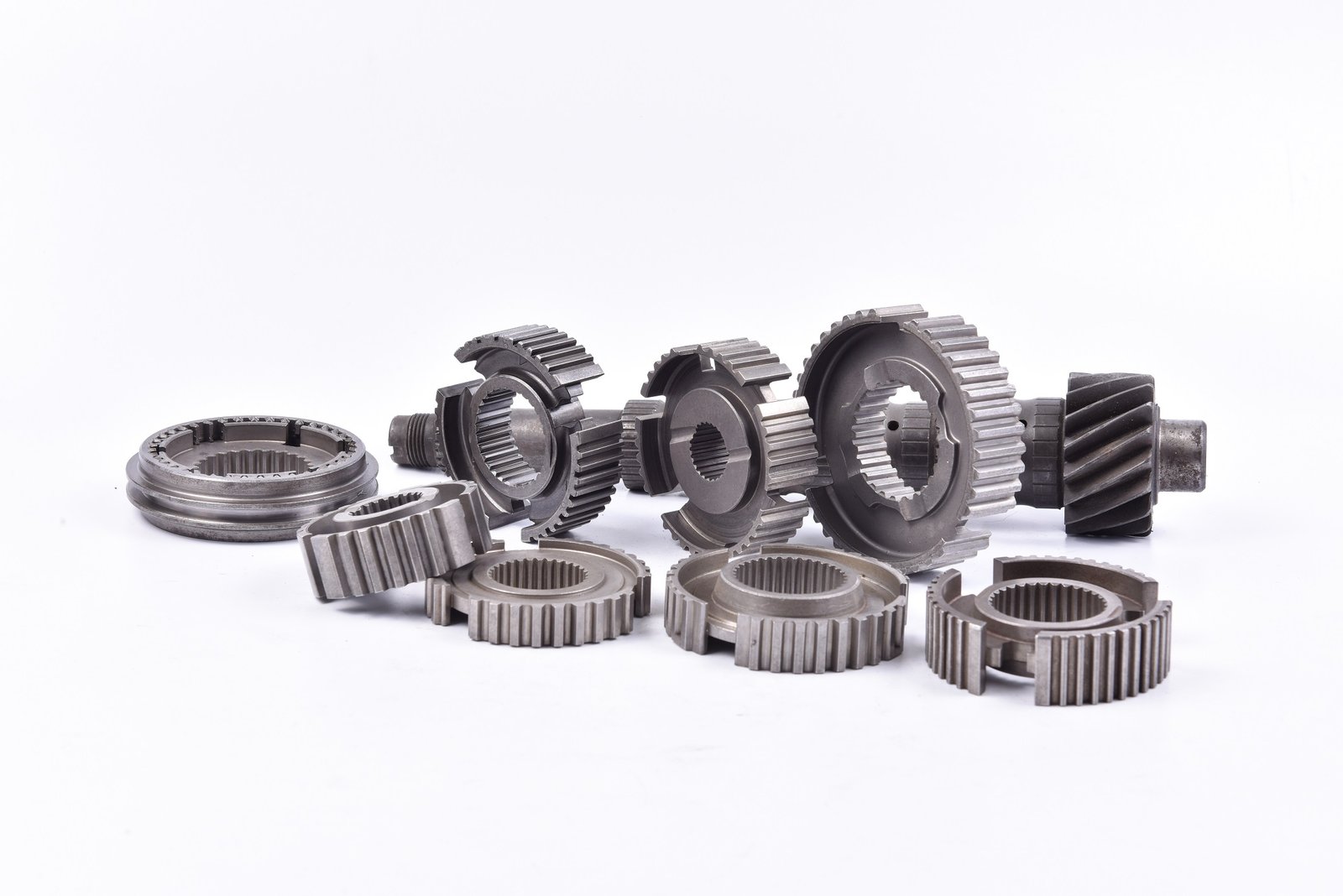
Sintered Seating & Locking Hardware
High-volume comfort and security hardware: sintered seat recliner gears, sintered seat adjuster components and sintered door lock components with tight tolerances and a low cost per piece at automotive volume.
- Sintered Seat Recliner Gear
- Sintered Seat Adjuster Component
- Sintered Door Lock Component
Sintered Electrical Machine Components
Dimensional criticality for rotating electrical machines: sintered starter motor components and sintered alternator components that hold concentricity run after run at high production volume.
- Sintered Starter Motor Component
- Sintered Alternator Component
Automotive & motorcycle runs in production
It is the actual state we manufacture into every day: pressed, sintered, CNC-finished and inspected in-house — one chain under one IATF 16949-certified roof.
From powder to automotive part, in five steps
The press-and-sinter route we use for every family above — enough to understand cost drivers, tolerances and lead time.
Powder blending
Alloy powder and additives are blended to the target composition for your material spec and density.
Compaction
Powder is pressed in a die on one of 19 PM presses into a raw “green” automotive part.
Sintering
Green parts are heated in 10 controlled-atmosphere furnaces to bond particles into solid metal — at automotive density.
Sizing / CNC
Optional sizing or CNC finishing tightens critical dimensions down to ±0.025 mm.
Inspection & ship
Zeiss CMM, density and hardness testing, MES batch traceability — PPAP/FAI documentation on request.
See the full press-and-sinter background — densification, tolerances, design rules:
Read the complete powder metallurgy process guide →Small, complex automotive parts under ~100 g with fine detail? See our MIM guide → · Housing-type automotive parts? Compare die casting vs PM →
What we quote against for automotive programs
The numbers automotive engineers actually ask for. Final values are confirmed per part in the DFM review.
| Parameter | Capability | Notes |
|---|---|---|
| Materials | Iron · carbon steel · stainless steel (304L, 316L, 430) | Automotive gear and structural grades; bronze for bushings. |
| Part size | Up to ≈120 mm outer diameter | Largest feature typically ~75 mm; up to ≈120 mm OD depends on press tonnage and geometry — confirmed at DFM. |
| Tolerances | ±0.05 mm standard · ±0.025 mm on selected critical dimensions after sizing & CNC | Not every dimension — only selected critical features hold ±0.025 mm; depends on feature type. |
| Sintered density | Iron 6.6–7.2 · Steel 6.8–7.4 · Stainless 6.9–7.6 g/cm³ | ≈85–92% of theoretical density, consistent with our process guide; exact target locked at DFM. |
| Volume | MOQ 2,000 pcs · pilot batches available | MOQ is the minimum order; 10,000+ pcs/yr is where tooling amortizes best — small trial runs welcome at a different unit price. |
| Quality system | IATF 16949:2016 · ISO 9001:2015 | PPAP · FAI · material certificates · MES batch traceability. |
| Capacity | 3,000+ t/yr · 19 PM presses · 10 furnaces | 10 sintering furnaces including 2 continuous high-volume lines · CNC finishing in-house. |
| Lead time | Tooling ≈30 days · first articles ≈25 days | Quotes and DFM feedback within 48 hours of drawings. |
* Density ranges are typical MPIF press-and-sinter values; exact targets depend on material and application and are confirmed during the DFM review.
** EU shipments: PPWR (EU 2025/40) packaging compliance documentation available on request.
Why automotive buyers route sintered programs here
Automotive-grade quality system
IATF 16949:2016 and ISO 9001:2015. PPAP, FAI and material certificates that pass customer audits — the paperwork is part of the product.
Factory, not trader
Blending, pressing, sintering, finishing and inspection all inside our own 30,000+ m² plants. One chain of custody from powder to pallet.
Sintered gears are our core
Timing gears, sprockets, recliner gears — near-net gear teeth from powder compaction with gear inspection on the floor.
MES batch traceability
Every batch tracked through the line. When a customer audit asks “which batch shipped where”, the answer is one screen away.
48-hour DFM review
Send a CAD and we flag density targets, tolerance risks and tooling costs before you spend a dollar on tooling.
EU & US focused
English-speaking project engineers, PPWR-compliant packaging documentation, and a track record with European and North American OEMs.
Automotive sintered parts — questions buyers ask
Are sintered automotive parts strong enough for engine and transmission applications?
Which automotive sintered components do you manufacture?
Do you support PPAP for automotive programs?
What tolerances and density do you achieve on sintered gears?
What is the MOQ and lead time for automotive sintered parts?
Do you hold IATF 16949 certification?
Can we run prototypes or pilot batches before mass production?
Is the 2,000-piece MOQ the same as the volume where sintered parts get economical?
How do you control quality on high-volume automotive runs?
Send a drawing. Get a DFM review in 48 hours.
Email your CAD or PDF to our project engineers. You will receive a manufacturing review — material fit, density targets, tolerance feasibility, tooling cost and per-piece price — within two working days. No obligation, no guessing.